If your hotel has remained unchanged over time, you risk becoming invisible in a constantly evolving market. No complimentary breakfast can ever make up for neglected or poorly designed spaces. A thoughtfully planned hotel renovation revitalizes the guest experience, restores value to the property, and turns a successful stay into positive word-of-mouth.
With Francesco Della Femina, a redesign doesn’t start with a catalog of ready-made solutions, but with a careful analysis of the structure—of what isn’t working today and what deserves to be preserved. FDF Design works on these elements even before deciding how to transform them.
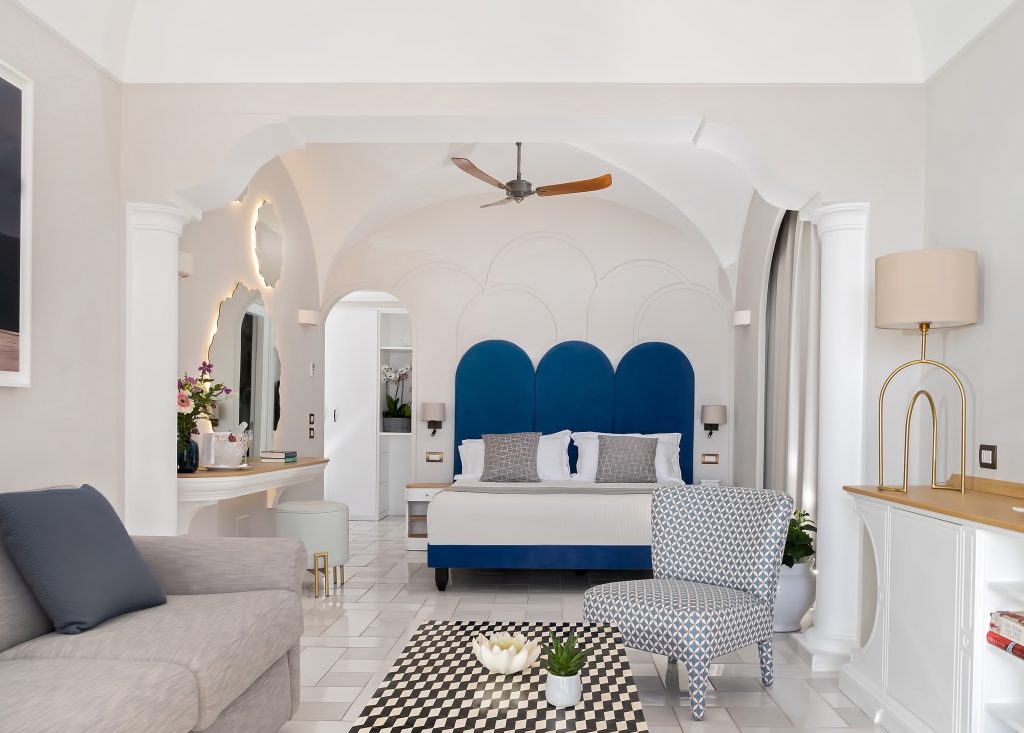
One example is the renovation of the Hotel Luna in Capri, which has been carried out over time through successive phases: arches, curves, and natural light remain part of the building’s original character, while the guest rooms, common areas, and furnishings are gradually being updated. The project proceeds in annual phases, taking into account the island’s seasonal nature and complex logistics.
Spaces and Layout of Rooms
Imagine a guest walking into a room and bumping their suitcase against the bed: a single overlooked design detail is enough to compromise comfort. On the other hand, a smart layout optimizes space, facilitates movement, and creates a flow that conveys anticipation and elegance from the moment a guest walks in.
Organize spaces to make it easier to move around
It’s all about visual clarity: a guest arriving after a long flight certainly doesn’t want to waste time looking for their room or dodging obstacles. Intuitive pathways and unobstructed walkways allow guests to move around easily and also reduce safety risks. It’s a practical way to make guests feel valued and satisfied with the money they’re spending.
Vuoi capire a chi affidare il rinnovo della tua struttura? Qui trovi una guida pratica su come scegliere l’architetto giusto.
Making Better Use of Space in Bedrooms and Bathrooms
The bed, closet, and desk should be spaced far enough apart to allow guests to move around, unpack their luggage, and use each piece of furniture without difficulty. In the bathroom, on the other hand, the shower, sink, and toilet should be easily accessible. Removing unnecessary items can free up valuable space and improve the experience—even for the housekeeper, who might otherwise take twice as long to clean the room.
Designing reception areas and common areas based on their intended use
The first and last impressions of a stay should be pleasant; it all starts at the front desk. An endless line at check-in or a lack of places to sit can leave guests with only one feeling: exhaustion. Organizing the front desk well and providing comfortable seating makes the wait more bearable and helps guests feel welcome.
Materials, Colors, and Lighting
In a hotel renovation, materials, colors, and lighting deserve just as much attention as the spaces themselves. Choosing the right combinations is a strategic move: it helps create welcoming environments, enhances the furnishings, and demonstrates attention to every detail of the guest experience.
Choosing Durable Materials Suited to Each Space
To convey a sense of care, a hotel must choose materials capable of withstanding daily use without compromising aesthetics. Easy-to-clean floors, durable finishes, and moisture-resistant wall coverings make all the difference. Natural materials can also add character to spaces: guests will even remember how it felt to walk barefoot on the floor
Using colors to define the hotel’s style
Colors influence guests’ visual perception and help define the hotel’s style. A palette of no more than three coordinated colors creates a harmonious color scheme across walls, fabrics, and furnishings, without creating visual clutter. Natural light also matters: choosing the right shades based on the specific spaces helps create a premium identity and convey a sense of harmony.
At Arcadia Napoli, Francesco Della Femina uses color to give each of the three rooms a distinct character: antique pink and bronze in the Mito, powder blue and bronze in the Medina, while in the Museo, the deep blue of the walls contrasts with the white of the vaulted ceilings. Three different color schemes that help create equally distinct atmospheres.
Natural light is an integral part of FDF Design’s vision: Francesco Della Femina considers it a hotel’s first gesture of welcome, capable of communicating without words that the guest has arrived in a safe place where they can slow down and recharge.
Designing Lighting Based on Activities
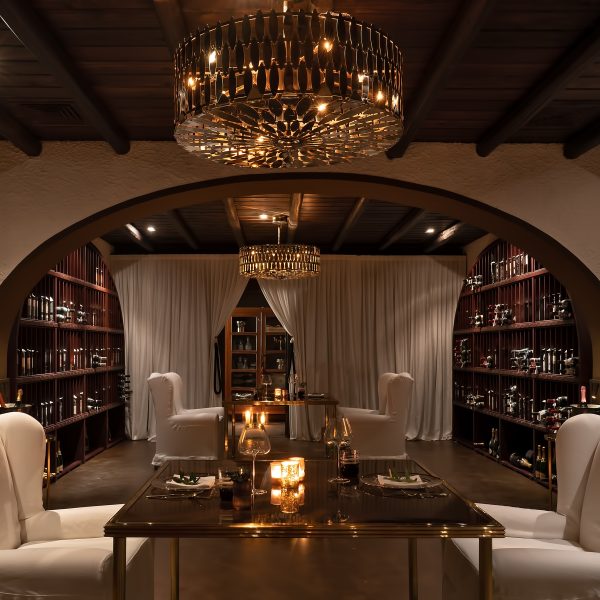
Lighting should be designed based on the activities that take place in different spaces. In the bedroom, soft lighting is needed for rest, and light sources near the bed are needed for reading; in the reception area, hallways, and bathrooms, it’s important to see clearly. Accent lighting, on the other hand, highlights architectural details and works of art, adding depth to the interiors without making them feel cluttered.
Comfort, Functionality, and the Hotel’s Identity
Let’s now examine the various aspects that make a hotel comfortable, functional, and capable of conveying its own identity.
Enhancing Comfort During the Stay
An uncomfortable bed, constant noise, or a temperature that’s hard to regulate can ruin a guest’s sleep and increase their frustration. Addressing these issues means paying attention to the ergonomics of the furnishings, soundproofing, and blackout curtains. The goal? To make the guest feel as if they’re resting on a five-star cloud.
Making Guest Rooms Practical to Use
A well-designed guest room allows guests to easily find everything they need during their stay. It takes a certain amount of intuition to place outlets, light switches, and controls in the right spots: guests shouldn’t be afraid to touch a switch or waste time figuring out how to adjust the air conditioning.
Defining a Recognizable Identity for the Hotel
When redesigning a hotel, defining a specific style means giving the property a personality that guests can recognize and remember. It’s not enough to simply choose beautiful furnishings: every element must be consistent with the type of experience the hotel aims to offer. Incorporating details tied to the local area—such as regional materials, local crafts, or works of art—helps tell the story of the place and sets the hotel apart from chain hotels, which are often all the same and lack character. The overarching theme must remain consistent across guest rooms, the lobby, and common areas, without cluttering the spaces with out-of-place elements. This avoids visual chaos and conveys a sense of coherence to guests, leaving them in no doubt that they’ve chosen the right hotel.
FAQ: Frequently Asked Questions
How do you choose a style for a hotel renovation?
The style should reflect the type of experience the hotel aims to offer and its target audience. A luxury hotel, a family-run hotel, and a business hotel all have different needs. It’s helpful to start with the hotel’s positioning, location, and the building’s characteristics, creating a cohesive design without following trends that might quickly go out of style.
How can you make hotel rooms more comfortable?
Comfort depends on several factors: the quality of the bed, the ergonomics of the furniture, temperature, lighting, and quiet. It’s also helpful to ensure there are blackout curtains, outlets near the bed, and enough space to unpack luggage.
What colors should you choose when renovating hotel rooms?
The choice depends on the room’s size, natural light, materials, and the desired atmosphere. A limited color palette, consisting of coordinated shades, helps create visual continuity and makes it easier to coordinate walls, fabrics, and furnishings. Light colors can help brighten a space, while dark colors should be evaluated based on the available light and the room’s proportions.
How can you improve sound insulation in guest rooms?
To reduce noise, you must first identify its source: adjacent rooms, hallways, elevators, building systems, or outside traffic. Depending on the cause, you can consider higher-performance doors, wall modifications, appropriate windows and doors, and specific solutions for building systems. The effectiveness depends on the existing situation: a technical site inspection helps you choose the most suitable solutions.
Conclusion
Renovating a hotel isn’t just about changing the furnishings and colors; it’s about understanding what the property—and the people who experience it every day—truly needs. If you’re thinking about a redesign, check out the contact page on FDF Design’s website and tell us about your project: we can start right from there.