In the work of Francesco Della Femina, pattern is not a simple decorative device, but an active design element — a visual language. Each pattern is tailored to its project, harmonizing with space, style, and materials. This vision has led him to collaborate with companies across diverse fields, translating his aesthetic into various media: leather, ceramic, fabric, paper. A pattern becomes a repeated idea, yet never identical — always evolving to reflect the essence of each project
Patterns for Projects and Brands
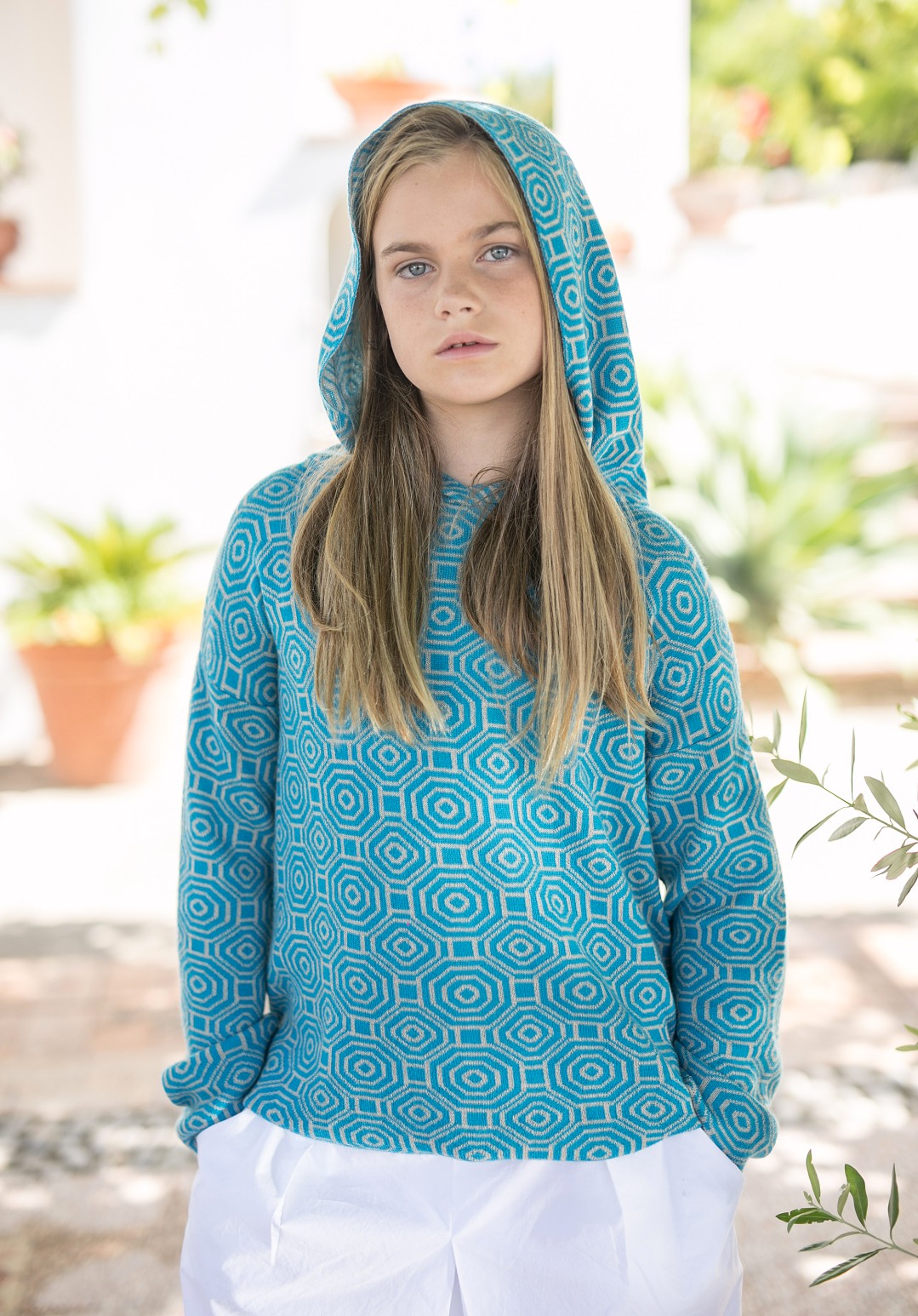
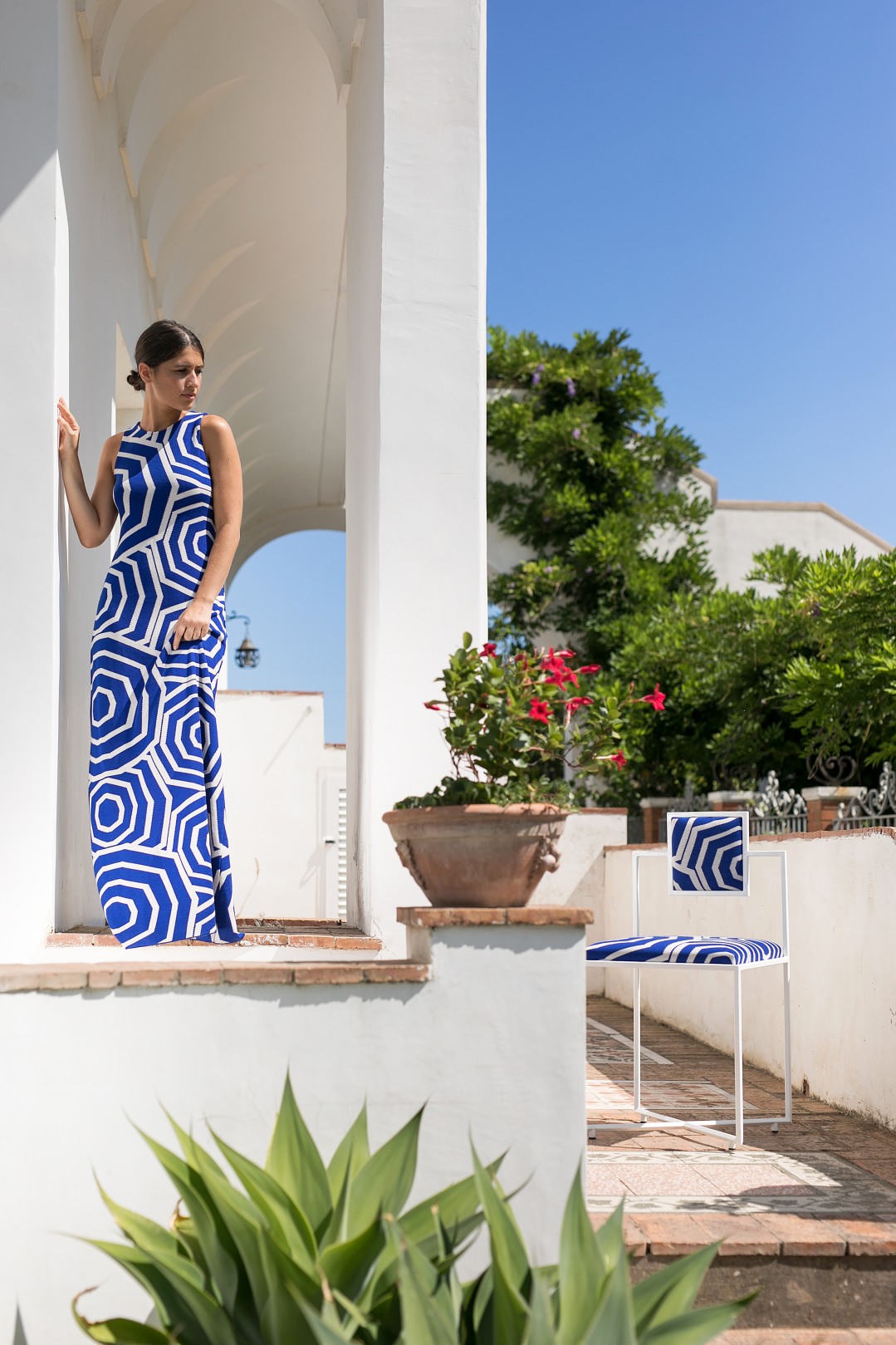
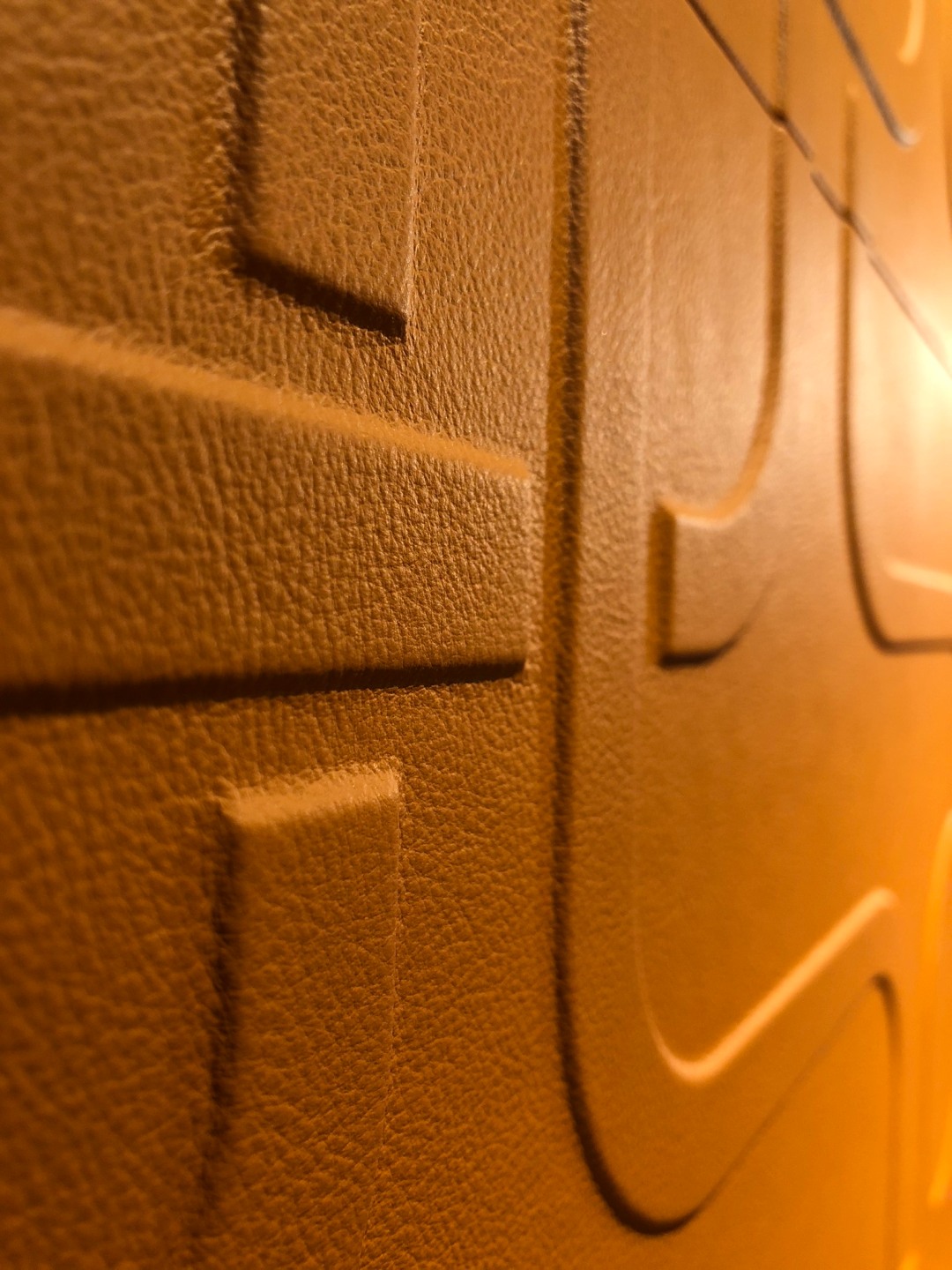
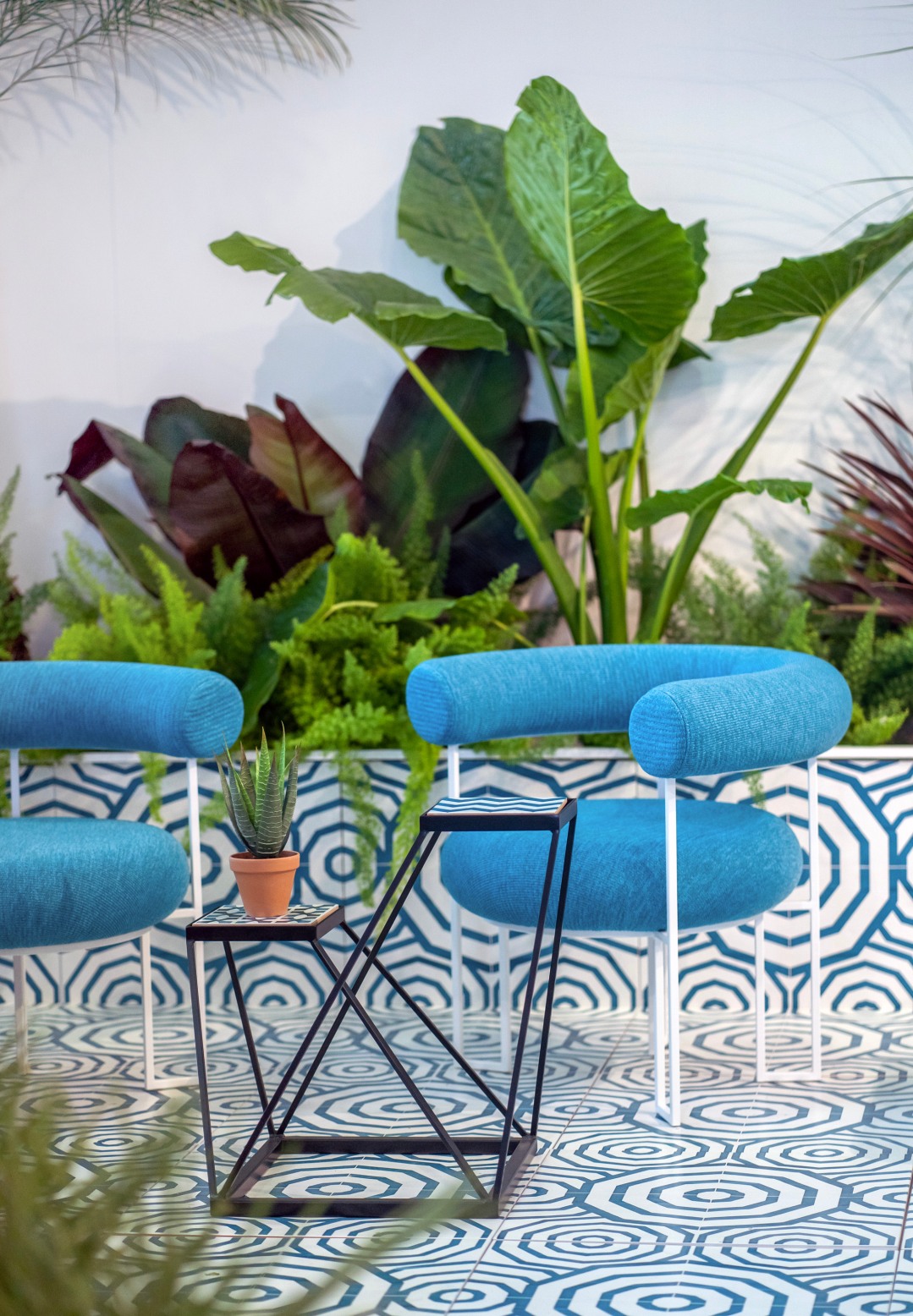
Francesco Della Femina creates custom patterns not only for his interior and architectural works but also in collaboration with companies in fashion, furniture, and decorative arts. He designed a capsule knitwear collection for Farella Capri, a series of leather wall panels for yachting interiors with Marine Leather, and regularly develops new tile motifs with Arcea Ceramiche. His designs also extend to wallpapers and furnishing textiles for bespoke and branded collections
Pattern Meets Material
Every pattern is conceived with a specific material in mind — ceramic, leather, paper, fabric, or metal. The dialogue between design and material is central to Francesco Della Femina’s creative process. Through collaborations with companies like Marine Leather and Arcea Ceramiche, he explores how form, rhythm, and texture respond to different surfaces. The result is a vibrant decorative language that enriches space without overwhelming it
Patterns as a Signature Element
Whether created for a bespoke interior or a commercial collection, every pattern by Francesco Della Femina carries a strong visual identity. It is designed to become a recognizable, expressive element that reflects a place, a brand, or an atmosphere. In hospitality, yachting, fashion, or design projects, his patterns serve as visual signatures — reinforcing style, coherence, and storytelling.
Between Mediterranean Roots and Contemporary Form
Francesco Della Femina’s patterns often originate from Mediterranean inspirations — Vietri ceramics, Caprese architecture, natural geometries — reinterpreted through a contemporary, refined visual language. It’s a process of transformation, where tradition meets innovation. These patterns, whether part of an architectural setting or a corporate collaboration, become a visual alphabet that bridges past and present.